
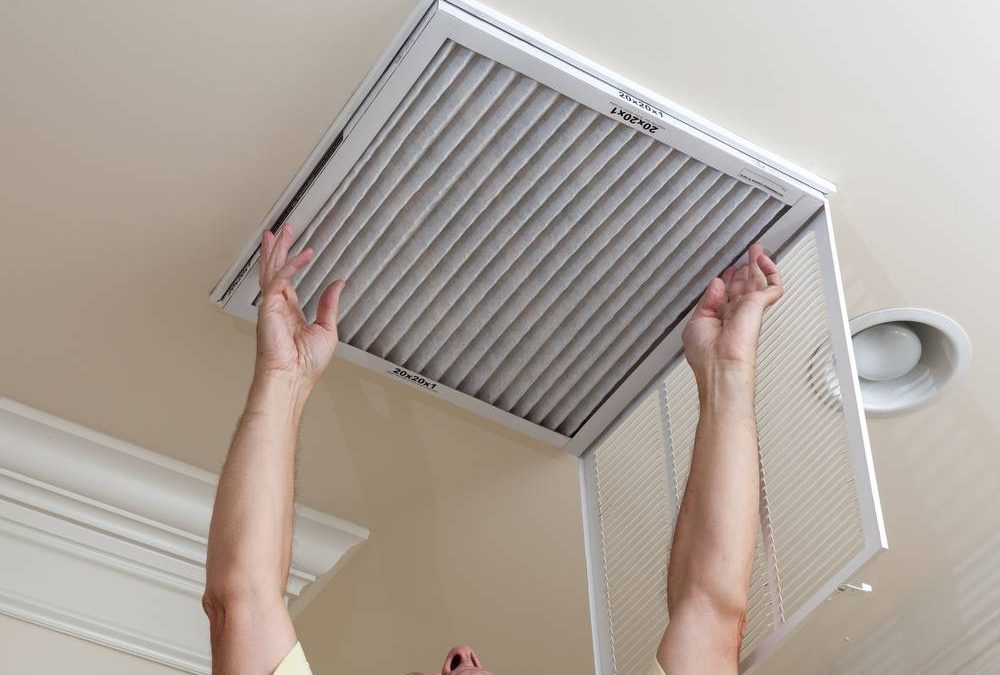
Your house’s allergens will be much lower with the correct air filters and a well-maintained HVAC system. The ways in which air filters for allergies operate, the varieties of filters that are accessible, how HVAC systems can aid in enhancing indoor air quality, and how best to select the appropriate filter for your particular requirements will all be covered in this article.
HVAC Systems’ Impact on Indoor Air Quality:
Although it heats and cools your house, the HVAC system greatly affects interior air quality as well. Filters used to capture dust, trash, and allergies let air move through the system. Many of the allergens that might otherwise flow into your house can be trapped by a well-maintained HVAC system using premium air filters, therefore lowering the irritant count you inhale. Not all filters, meantime, are made equally.
Often found in cheap systems or utilized just to guard the HVAC system unit, standard filters cannot be very good at trapping microscopic allergens. Homeowners could look at specific air filters made for allergens if they want to really enhance air quality and lower allergy symptoms.
Understanding MERV Ratings:
Knowing the MERV rating is one of the main determinants of the air filter one chooses for allergies. Minimum Efficiency Reporting Value, or MERV, is a 1 to 20 scale, measuring a filter’s capacity to gather particles of varying diameters.
- Basic filters called MERV 1-4 gather big particles like dust and carpet fibres, but have little effect against allergies.
- Although it’s not perfect for those with allergies, MERV 5-8 captures both some smaller particles, like mold spores and bigger ones.
- MERV 9-12 is good for capturing finer particles, including pollen and pet dander.
- Highly advised for allergy sufferers, MERV 13-16 may trap germs, tobacco smoke, and other small particles.
- Used in cleanrooms and hospitals, MERV 17-20 HEPA-level filters can capture the smallest particles, including viruses.
- Generally speaking, a MERV grade between 11 and 16 is advised for most residential houses coping with allergies.
Higher MERV filters might occasionally hinder airflow; therefore, before changing, be sure your HVAC system is compatible.
Various Air Filters for Allergies:
Numerous air filters, each of which is meant to assist with allergies, have advantages and disadvantages:
1. HEPA Filters:
High-efficiency particulate air (HEPA) filters are believed to be the gold standard for allergy avoidance. Covering pollen, pet dander, and dust mites, they capture 99.97% of particles down to 0.3 microns. Not all HVAC systems can run HEPA filters through due to density, which can impede airflow. Sometimes homes might have to add stand-alone HEPA air cleaners to complement premium HVAC filters.
2. Electrostatic Filters:
An electric charge in electrostatic screens draws particles like pollen and dust. Usually good for catching tiny allergens, these are either disposable or washable. If not routinely cleaned or changed, their efficacy can, however, drop over time.
3. Activated Carbon Filters:
Although mostly employed to eliminate chemicals and smells, activated carbon filters can also help eliminate some allergens, especially those conveyed by gases or chemical fumes. For extra safety, they are sometimes used in combination with HEPA or another particle filter.
4. Pleated Filters:
More surface area that pleated filters have than flat filters lets them trap more particles. Homeowners seeking reasonably priced but powerful allergy relief often use high-MERV pleated filters.
How HVAC Maintenance Lessens Allergens:
Maintaining appropriate indoor air quality depends on routine HVAC maintenance, even with the best filters. Here’s how appropriate maintenance of your HVAC system could help lower allergens:
- Consistent Filter Adjustments: Depending on the type of filter and use, air filters should be changed one to three months. Apart from decreasing air quality, blocked filters require your HVAC system to work harder, maybe leading to system failures and higher energy consumption.
- Filtering Air Ducts: Over time, dust and allergens accumulate in air ducts and then cycle through your home. Expert duct cleaning can eliminate these accumulations, therefore offering allergy patients obvious alleviation.
- Planned HVAC Maintenance: HVAC inspections, either annually or biannually, help to guarantee that your system is running as it should. Technicians will look for mold, leaks, and other problems causing bad indoor air quality.
- Management of Humidity: HVAC systems with humidifiers or dehumidifiers can help to control ideal indoor humidity levels between 30% and 50%. Although too little could dry out nasal passages and increase allergy symptoms, too much humidity encourages mold growth and dust mites.
Frequently Asked Questions:
Why Should My HVAC System Be Flood-Protected?
Flood damage to your HVAC system is critical since water can compromise vital parts, including motors, compressors, electrical circuits, and ductwork. Long-term harm can result from floodwaters destroying metal components and sometimes carrying trash and pollutants. When too much moisture exists in your HVAC system, mold can develop and compromise the quality of the air within, as well as perhaps endanger your health. Furthermore, system protection helps to prevent avoidable expensive repairs or replacements for your system.
Which HVAC System Component Is Most Likely to Flood Easily?
The external condenser unit, indoor air handler, furnace, and ductwork—especially if your HVAC system is housed on the ground floor or in a basement—are the most vulnerable components. Usually lying exactly on the ground, the outdoor condenser allows water to easily enter and harm electrical components. Found in basements or crawl spaces, ductwork can also collect trash and water, therefore contaminating the surroundings and promoting mold growth.
What Form Of Upkeep Can Lower The Chance Of Flooding?
By keeping your HVAC system in good operating order and guaranteeing early risk tackling, regular maintenance can help lower flood-related hazards. Licensed HVAC technicians’ annual inspections might expose rust, poor electrical connections, or other problems that water might aggravate.