
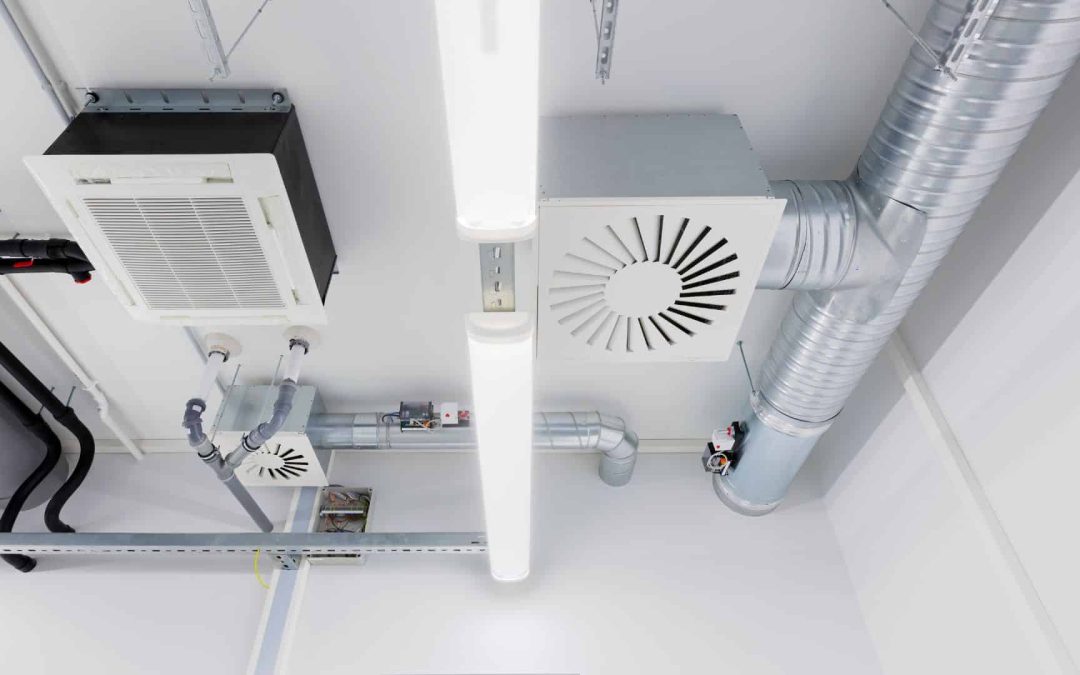
Know the Risks of Flood Damage to HVAC Systems:
Floodwaters can damage indoor as well as outdoor HVAC systems. Particularly vulnerable are the interior units found in basements or lower floors, the outdoor condenser unit, and heat pumps. Flooding might result in:
- Short circuits
- Corrosion and rust
- Mold development in ducts
- Compressors, fans, and motors damaged
- Contaminated air systems, should dirty water find its way into the ducts
The outcome might be not only a pricey system replacement but also possible health risks resulting from deteriorated air quality.
Improve Your Outdoor Space:
Elevating your exterior units is among the most crucial and terrific ways you can guard your HVAC system against floods. Living near water streams or in a flood-prone location makes this extremely important.
- Build a raised platform: Work with an HVAC specialist and arrange the outdoor condenser unit on a raised, flood-resistant platform. Constructed from concrete or robust steel, this platform raises the unit above the basic flood elevation.
- Local codes:In some places, building codes mandate that HVAC systems be installed at a specific height above known flood levels. For particular rules, find out from your local building department.
Sort Indoor Units:
Consider elevating your indoor HVAC system—furnace, air handler, or water heater—from the ground floor or basement to a higher level of your property. To reduce flood exposure, an HVAC specialist can find out whether it is feasible to move these units to the top floor, crawl space or attic. Install the indoor unit on a high concrete platform if relocation is not feasible to reduce interaction with floodwaters.
Install Barriers For Floods:
Temporary or permanent flood barriers assist stop water from getting to your HVAC system. Options consist of:
- Sandbags are a reasonably priced temporary fix for minor flood hazards.
- Strong, reusable panels set up around basement doors or outdoor units.
- Waterproofing the basement by sealing basement windows and doors lowers the possibility of water entering, which could compromise indoor HVAC systems.
Electrical Components Made Waterproof:
Many times, floods inflict significant electrical damage. Guard electrical components attached to your HVAC system by:
- Putting electrical boxes resistant to moisture around outside units.
- Electrical wiring using waterproof conduit and connections.
- Raising switches, circuit breakers, and electrical outlets running HVAC systems above possible flood levels.
A skilled HVAC technician or electrician can help to securely make these changes.
Shut Down the System Before a Flood:
Turning down your HVAC system ahead of time is smart, whether a flood is predicted or strong storms are expected. This lessens the possibility of damage and electrical faults should water find its way inside the machine. Turn off the indoor and outdoor units at the breaker box. If at all feasible, transport portable air conditioners and window units to higher ground.
Preserve The Surrounding Landscape:
Good landscaping can help steer water away from your HVAC system and lower flooding risk:
- Make sure your home’s grading is correct so water runs away from the outside units and building.
- From gutters and downspouts, clear leaves, trash, and blockages to stop water overflow.
- Install French drains or other drainage systems to assist in controlling excessive rainfall.
Think of an HVAC Flood Protection Cage:
Certain businesses provide HVAC flood protection cages, which are containers meant to keep exterior units free from trash and rising water while yet allowing enough airflow. Made of sturdy, rust-proof materials, these cages can offer your investment an additional degree of security.
Get Correct Insurance Coverage:
See if your homeowner’s insurance covers damage from floods to HVAC systems. Standard homeowner’s insurance usually excludes flood damage, so you may need to purchase separate flood insurance. Make sure your flood insurance covers heat pumps, air conditioners, furnaces, and ducting.
Know Your Next Actions Following a Flood:
Should floodwaters affect your HVAC system, never try turning it on before an inspection. The following is what to do:
- If you have not already, turn off the power to the unit.
- To evaluate the damage, call a licensed HVAC specialist right away.
- Before usage, have the unit expertly cleaned and inspected. If improperly cleaned, water, dirt, and trash within the system can cause serious damage or generate health risks.
- For safety, some portions of the system—such as ducting or electrical components—may need to be replaced totally.
Frequently Asked Questions:
After Every Big Storm, Should I Get My HVAC System Checked?
It’s a good idea to have your HVAC checked after any major storm produces flooding or water incursion near your system. Even if the system seems to be operating, water and debris could have caused hidden damage or corrosion compromising performance and safety over time. Before they become big and costly repairs, an inspection enables a competent specialist to assess probable hazards and handle problems.
How Long Does It Take For An HVAC System To Indicate Water Damage?
Certain indicators of water damage, such as short circuits or instantaneous system failure, are immediately clear-cut. Other problems, including rust, corrosion, and mold development, can take days or weeks to show up though. Though it may not reveal any impacts right away, moisture trapped inside components will gradually compromise the safety and functioning of the system. Therefore, minimizing long-term damage depends mostly on early inspection and drying of all HVAC parts.