
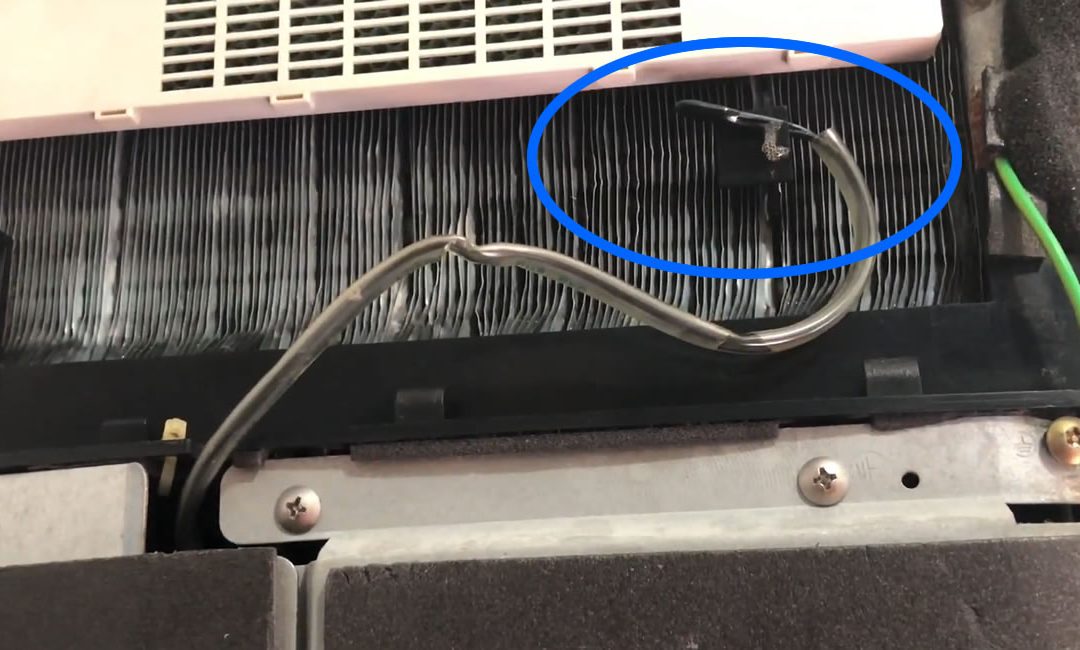
Temperature Range:
One of the most important things to take into account is the thermistor’s temperature range. The thermistor needs to be able to detect temperatures within this range precisely for air conditioning systems to function. Your air conditioning system’s anticipated working temperatures should be covered by the temperature range of the thermistor you choose. The thermistor may not work properly if its operating range is too small, which could result in erroneous temperature readings and possible system failures.
Resistance Value at 25°C:
Another important consideration is the resistance value of a thermistor at 25°C or R25. This figure is used to calculate the thermistor’s resistance at room temperature (25°C) and is a standard for assessing the device’s functionality. The R25 number needs to be in line with what your air conditioning system requires. The thermistor may not give reliable readings if the resistance is too high or low, which would result in ineffective temperature control.
Tolerance:
The permissible variation from the prescribed resistance value at a particular temperature is indicated by tolerance. Accuracy increases with lower tolerance, which is crucial for accurate temperature management. Take into account the tolerance needed for your particular application when choosing a thermistor. A tolerance of ±1% to ±3% is usually appropriate for air conditioning systems, though this can change based on the level of precision required.
Thermal Time Constant:
The amount of time a thermistor takes to react to a temperature change is known as the thermal time constant. To ensure reliable and accurate temperature management in an air conditioner, a thermistor with a shorter time constant will react to temperature changes more quickly. Having too long time constant for the thermistor may cause delayed temperature changes, which could be uncomfortable or result in inefficient system operation.
Stability and Durability:
Considering that thermistors are subjected to a wide range of temperatures and environmental factors, stability and durability are essential. The thermistor needs to be resilient enough to endure the operating environment without experiencing appreciable performance alterations over time. Seek for thermistors composed of premium materials that can withstand extended exposure to high temperatures, high humidity, and other typical air conditioning system environmental variables.
Size and Mounting Requirements:
Other crucial factors to take into account are the thermistor’s dimensions and mounting possibilities. It is necessary for the thermistor to match the current mounting hardware and to fit inside the allotted space in your air conditioning system. To prevent installation problems, make sure the thermistor’s dimensions match those of the system.
Price:
Cost is always important, but it shouldn’t be the main deciding factor when selecting a thermistor. Choosing a less expensive thermistor that doesn’t match the requirements might result in subpar operation, inefficient systems, and possibly expensive future maintenance. Rather, concentrate on locating the most economical thermistor by weighing price against the essential performance attributes.
Brand Reputation and Support:
When choosing a thermistor, take into account the manufacturer’s reputation and the level of their customer service. In general, trusted brands with a track record of manufacturing dependable thermistors are a better pick. Furthermore, excellent customer service is priceless, particularly if you run into any problems with installation or use. Reputable brands include thorough product documentation, hassle-free warranties, and technical assistance. By selecting a thermistor from a reputable manufacturer, you can ensure that your air conditioning system continues to function for many years to come by making replacement parts easier to find later.
FAQs:
1. How Can I Determine Whether My Air Conditioner And A Thermistor Are Compatible?
Verify the specs of your air conditioner, taking note of the necessary resistance values and temperature range, to make sure it is compatible. Check these details against the thermistor’s specifications that you are thinking about buying. Verifying compatibility can also be accomplished by consulting the handbook or a qualified technician for the air conditioner.
2. What Happens If You Use The Wrong Kind Of Thermistor?
Inaccurate temperature readings, inefficient operation, and possible system failures might result from using the wrong thermistor. It might lead to the air conditioner overheating, running nonstop, or failing to keep the temperature at the right level, which would raise energy expenses and possibly break the machine.
3. What Materials Are Thermistors Made Of, And How Does This Affect Their Performance?
Usually, metal oxides or ceramic materials are used to make thermistors. Their precision, stability, and longevity are influenced by the materials used. Ceramic materials offer stability and toughness, while metal oxide thermistors are frequently utilized for their accurate temperature detection. Select materials that are appropriate for your air conditioner’s performance requirements and the surrounding environment.
4. What Are Some Ways To Test A Thermistor To Make Sure It’s Operating Properly?
A thermistor can be tested by measuring its resistance at room temperature with a multimeter and comparing the result to the designated R25 value. Additionally, you may verify that the thermistor changes as predicted by measuring its resistance at various temperatures. It could be necessary to replace the thermistor if the readings are irregular or fall outside of the authorized range.
5. Are There Any Specific Maintenance Tips For Ensuring A Thermistor’s Longevity?
A thermistor’s lifespan can be increased by keeping it clear of dust and other material that could impair its functionality. Make sure everything is installed correctly to avoid mechanical stress or damage. Maintaining your air conditioning system regularly will help keep it operating efficiently and extend the life of the thermistor.