
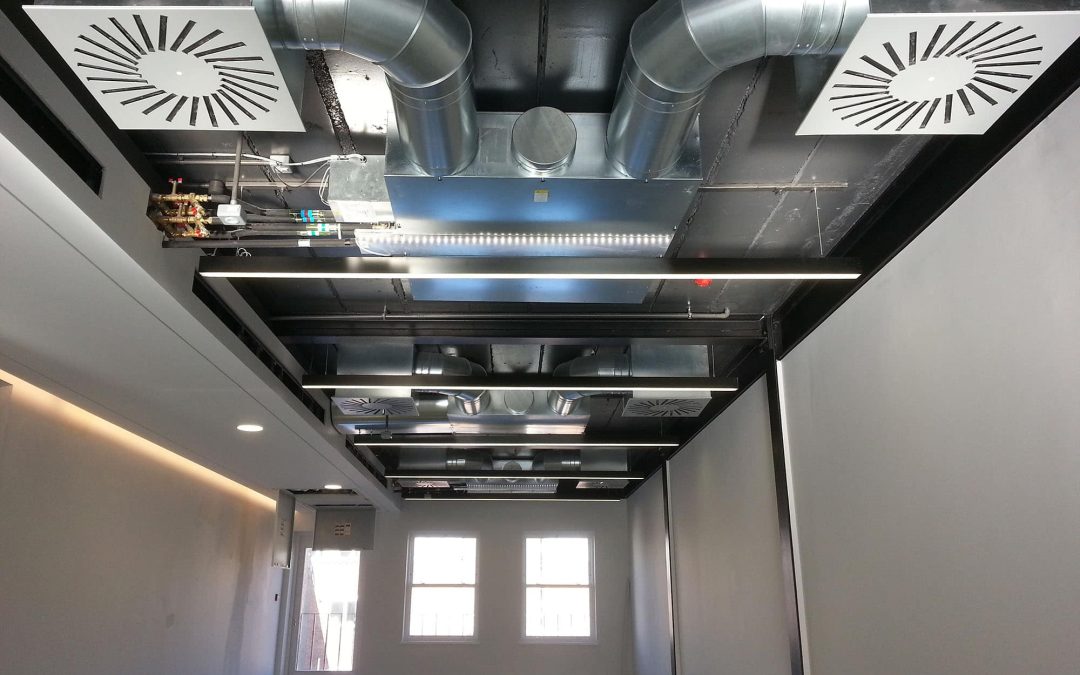
Allergic pet owners, however, may also find that their beloved animals aggravate their symptoms, like sneezing, congestion, itchy eyes, and other allergies. Pet dander, hair, and even saliva proteins can float around the house and settle in many places, including inside HVAC air ducts. Every member of the family can suffer from allergies and progressively impair indoor air quality by this accumulation.
Fortunately, HVAC air duct cleaning is a terrific approach to improve the living environment and help reduce allergies. This article will go into great depth on how HVAC air duct cleaning can assist fight pet allergies and the reasons pet owners should prioritize this maintenance chore.
Recognising Pet Allergens and Their Effects:
Common sources of allergies are pet dander, saliva, and urine. For those with allergies, these allergens can become airborne and sweep over your house, aggravating symptoms. Particularly, pet dander consists of tiny, even microscopic flakes of skin shed by dogs, cats, rats, birds, and other animals having fur or feathers. These tiny, light particles can readily become airborne and disperse over your living areas.
Pet dander gathered in the ductwork of your house might be continuously recirculated anytime your heating or cooling system is functioning. This can greatly affect the general comfort of your house as well as the indoor air quality (IAQ). In more extreme circumstances, pet allergies can cause even asthma episodes; common symptoms include sneezing, runny or stuffy nose, itchy or watery eyes, and so forth.
The Interplay of Allergies and Indoor Air Quality:
Maintaining appropriate indoor air quality is largely responsible for controlling allergic reactions. Inadequate IAQ can increase allergy symptoms and lead to several health issues, including respiratory problems and infections. Among the things that could compromise indoor air quality are dust, pollen, mould spores, and as mentioned above pet dander. As these pollutants build up in your ductwork, they can provide an unhealthy atmosphere that keeps allergens all over your house constantly circulating.
Mostly, good airflow and regular HVAC system maintenance help to solve these issues. Ensuring that your ductwork is free of allergens and clean will assist to considerably improve the quality of the air you and your family breathe, so encouraging a better and more comfortable living area.
Air Duct Cleansing For Pet Allergy Relief:
Although HVAC systems filter and circulate interior air to greatly enhance quality, frequent maintenance is absolutely essential for best operation. Although most people are used to changing their air filters every 30 to 90 days, air ducts sometimes serve as hidden pollen traps. Any dust, trash, or pet dander building up can infiltrate the air indoors, as all the air moved via a conventional HVAC system passes through the ductwork. Those with allergies may find this aggravates their symptoms. An HVAC expert removes all of this build-up with air duct cleaning for pet allergy relief.
This greatly lowers the amount of pet dander, dust, or pollen while enabling the system to run more efficiently. Remember that air duct cleaning is something an HVAC specialist should handle. They know the essential equipment and techniques to prevent damaging the ductwork and guarantee that all build-up and trash are sufficiently and correctly eliminated. Apart from additional advice on enhancing indoor air quality and lowering pet allergy symptoms, the HVAC professional can also offer recommendations on the frequency of air duct cleanings depending on the arrangement of your house and other elements.
The Duct Cleaning Procedure:
Knowing the duct cleaning process helps one to appreciate its significance, particularly for pet owners. Professional HVAC technicians guarantee totally cleaned ducts by using a meticulous and expert approach:
- First assessment: The staff starts with a thorough review of your HVAC duct system in order to identify areas with possible issues or excessive accumulation.
- House Preparation: They carefully prepare your house, covering furniture and flooring and arranging tools to avoid any mess.
- Vacuuming: Using industrial-strength vacuums, they remove pet hair, dirt, and loose dust from the ducting. Using specifically designed brushes and agitation tools that completely clean duct surfaces, stubborn dirt and pollutants are loosened.
- Compressed Air Cleaning: Any last particles are flushed out using high-pressure air, therefore rejuvenating your ducts. If you request a sanitising treatment, they will help eradicate residual bacteria, mold spores, and allergies, thereby improving indoor air quality.
- Final Check and Advice: They thoroughly check your ducts to guarantee they are immaculate following cleaning. Besides all of this, experts also provide useful guidance on keeping clean ducts.
Frequently Asked Questions:
Should Floodwater Have Flooded My HVAC System? What Should I Do?
Should floodwater have been present in your HVAC system, do not try to turn it back on. If you haven’t already, first cut the electricity at the breaker box. Call a competent HVAC expert to check the system. Debris, rust, and contaminants left behind by floodwater could make the system dangerous to run. Many times, parts including motors, wiring, and ducting will have to be changed. Operating the system before inspection runs the danger of additional damage or endangering safety.
Do There Exist Any Commercial HVAC Systems Resistant To Floods?
Indeed, several companies provide flood-resistant HVAC systems meant to manage more debris exposure and moisture levels. These systems often include sealed compressors, corrosion-resistant materials, and higher electrical components. For homeowners in high-risk flood areas, they can be a reasonable investment even if they cost more initially. Talk to an HVAC specialist about models that are rated for flood resilience and whether they fit your house.
Is There Any Way Smart Technology May Guard My HVAC System Against Floods?
Smart technology can indeed help to reduce or even stop flood damage. Particularly in basements or crawl spaces, installing water sensors and smart leak detectors next to your HVAC system will notify you of rising water before it becomes a significant issue. Certain solutions let you quickly act by sending alerts straight to your phone. Early discovery can enable you to shut down systems, save priceless machinery, and implement preventative action to prevent more general problems.