HVAC (heating, ventilation, and air conditioning) systems have undergone a revolution thanks to Variable Refrigerant Flow (VRF) systems. They provide exceptional scalability, adaptability, and energy efficiency, particularly in larger residential and commercial...
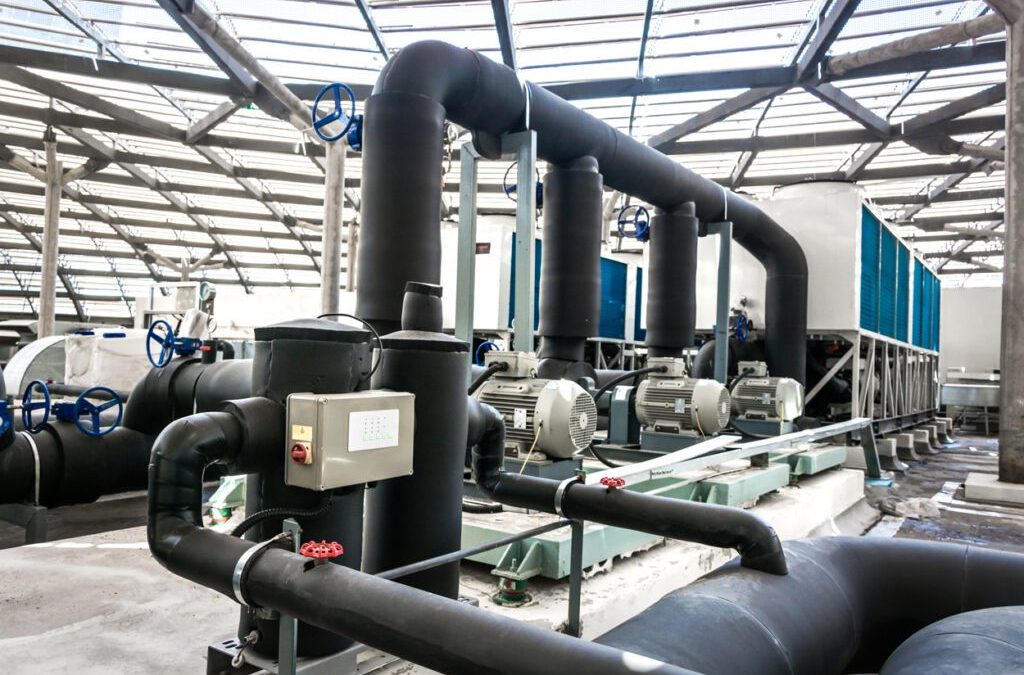
Choosing the appropriate technology is essential when constructing an HVAC (heating, ventilation, and air conditioning) system to guarantee maximum comfort, cost-effectiveness, and energy efficiency. Variable Refrigerant Flow (VRF) systems and hydronic systems are two...
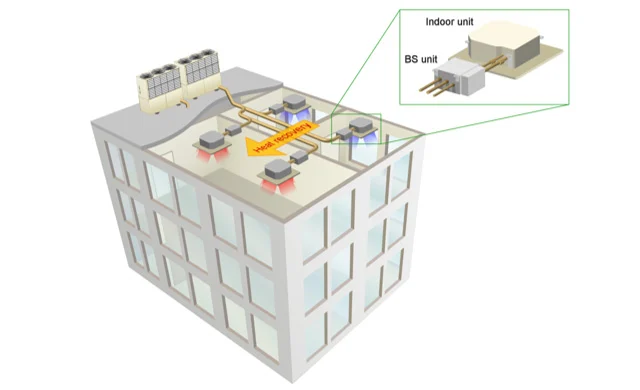
The purpose of Variable Refrigerant Flow (VRF) systems is to offer a versatile and energy-efficient heating and cooling option for buildings. The fact that VRF systems may function in three separate modes to meet various heating, cooling, and comfort requirements is...
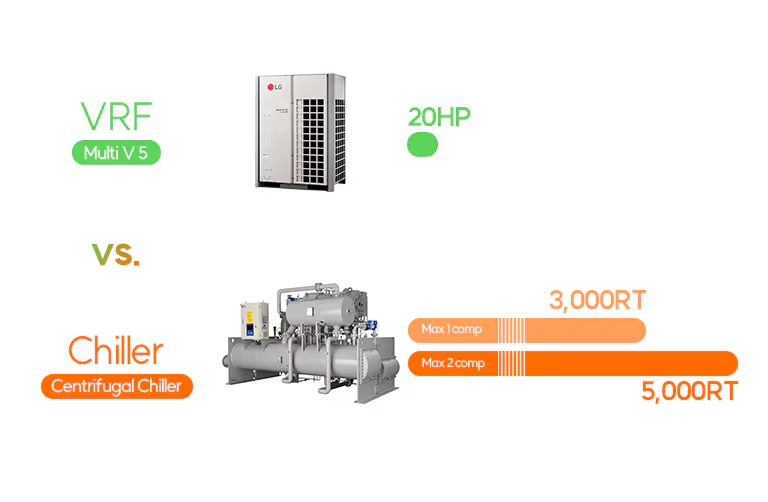
Chiller systems and Variable Refrigerant Flow (VRF) systems are two popular choices when developing HVAC systems for buildings. Due to their distinct qualities, both technologies can be used in a variety of applications. Selecting the best system to satisfy...
The British Thermal Unit, or BTU, is one of the most crucial aspects to take into account when selecting an air conditioner. However, what is a BTU and why is it important? This article goes into great detail on BTUs, their function in air conditioning, and how...
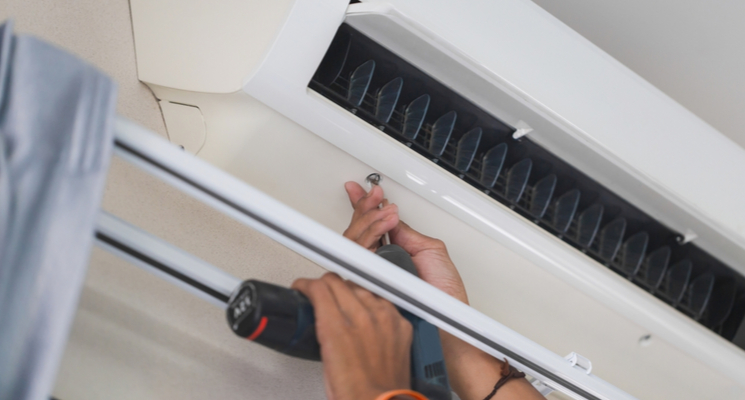
Achieving energy efficiency, guaranteeing indoor comfort, and preserving operational dependability all depend on the performance of an HVAC (heating, ventilation, and air conditioning) system. Because HVAC systems have a big impact on energy use and occupant...