
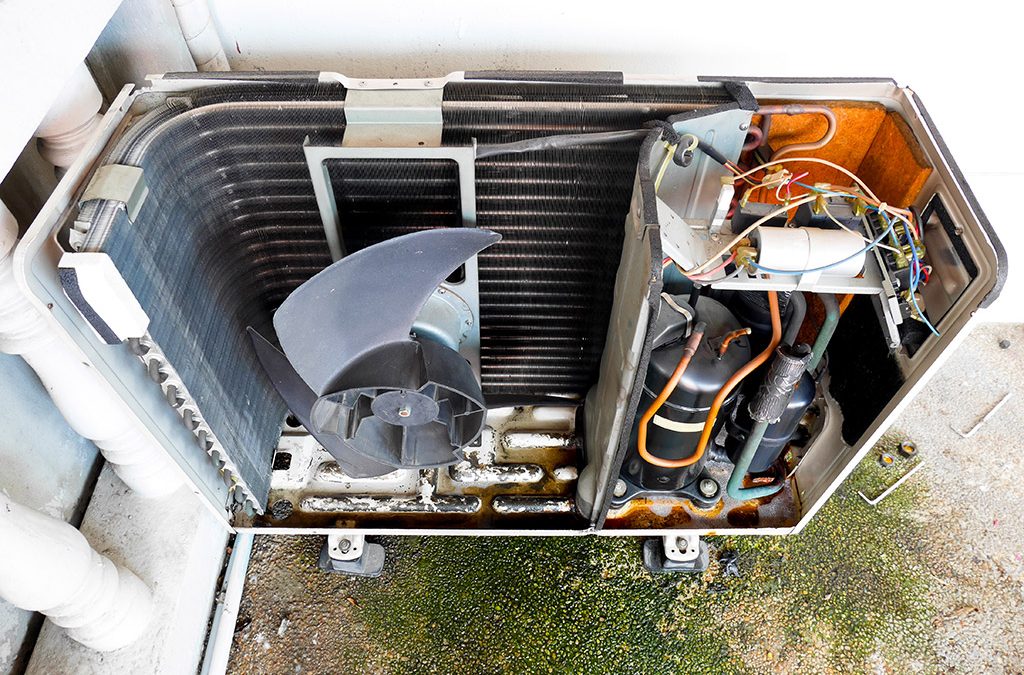
The first things most people think of HVAC (heating, ventilation, and air conditioning) systems are of air filters, thermostats, and ductwork. Under all of this, though, one essential element maintaining everything working as it should is compressor oil. What compressor oil is, why it’s important, the several varieties that are on hand, how to use it, and suggestions for keeping your HVAC system in amazing condition in 2025 and forward.
What Is Compressor Oil?
HVAC compressors utilize a specially made lubricant called compressor oil to distribute heat, lower wear and tear, and minimise friction between moving components. Like its heart, the compressor of the HVAC system pumps refrigerant to transfer heat. Insufficient lubrication would cause the compressor to seize or fail early on or overheat.
Compressor oil fills any void between moving components, lubricates them, helps to control refrigerant flow, and stops rust and corrosion. Modern HVAC systems depend on compressor oils developed to operate with specific refrigerants and system designs to guarantee optimal performance and economy.
Why Do HVAC Systems Need Compressor Oil?
- Decreases Wear and Friction: Compressors have moving metal parts that brush against each other all the time. Without oil, this friction would rapidly cause damage that would call either expensive repairs or a full compressor replacement.
- Promotes Heat Dissipation: Compressor oil enables heat to travel away from running components, so preventing overheating and allowing the system to function cooler and more efficiently. Compressors create a lot of heat during running.
- Seals and Protects: Not only does the oil prevent damage to the internal components, but it also forms a seal to keep the refrigerant in its proper pathways. It adds longevity to the compressor’s life by creating a barrier against corrosion and rust.
- Ensures Efficiency: Using the right compressor oil guarantees the general efficiency of your HVAC system. It lowers your power consumption by minimising the energy waste resulting from mechanical problems or friction.
Monitoring and Maintaining Compressor Oil:
An effective and long-lasting HVAC system depends on compressor oil being routinely maintained. This is how you maintain control over your compressor oil:
1. Regular Oil Level Checks:
Sight glasses or oil level indicators allow HVAC professionals to track compressor oil levels. While overfilling can produce oil slugging and lower performance, low oil can cause mechanical harm.
2. Change the Oil as Suggested:
Either when contamination is found or following manufacturer recommendations, compressor oil should be changed. Frequent oil examination helps to find issues before they lead to significant breakdowns.
3. Use the Correct Oil:
Never replace compressor oil without first determined the fit with the refrigerant and compressor type. Consult a certified technician or always refer to the manual for the HVAC system.
4. Watch For Contamination:
Other pollutants including moisture can break down compressor oil, producing sludge and rust. It is advised to routinely analyze metal particles, moisture content, and acidity.
Signs Your Compressor Oil Needs Attention:
Ignoring compressor oil maintenance might cause system breakdown. Look for these warning indicators:
- Unusual compressor noise—that of grinding or knocking.
- Frequent compressor shutdowns or overheating.
- Lessening of cooling effectiveness or longer cycle periods.
- Clearly visible oil spills around the compressor or pipe line.
- The sight glass may exhibit a discolored oil or a burnt oil odor.
You should arrange professional HVAC service if you find any of these problems.
Guidelines for Compressor Oil Maintenance In 2025:
The HVAC sector is changing as technologies becoming more sophisticated and ecologically friendly. Following these best practices in 2025 will help:
- Embrace Smart Monitoring: Many HVAC systems today incorporate sensors and sophisticated monitoring tools that track oil quality and notify you to demand repair. Including these instruments in your system will help with proactive treatment.
- Keep Current on Refrigerant Changes: Environmental rules are driving more rigorous changes in refrigerant technologies. Make sure your compressor oil fits the new low-GWP (Global Warming Potential) refrigerants expected for 2025.
- Annual inspection: While do-it-yourself inspections have value, annual service by an HVAC expert guarantees complete oil analysis, filter replacement, and system diagnostics.
- Store Oil Correctly: Compressor oils are moisture and contaminant-sensitive. Store oil in sealed containers, out of direct sunlight, and in climate-controlled surroundings.
- Keep Records: Record oil changes, inspections, and analytical reports. This offers important data for next HVAC maintenance and helps monitor the condition of the system.
Frequently Asked Questions:
In HVAC Systems, What Is Compressor Oil? Why Is It Necessary?
Specifically designed lubricant used in HVAC (heating, ventilation, and air conditioning) compressors to lower friction, distribute heat, and guarantee smooth performance is compressor oil. It also helps to seal inner parts and move refrigerant oil all around the system. Without the right compressor oil, too much friction would rapidly wear out the compressor’s moving components, resulting in mechanical failure, increased energy consumption, and worse system efficiency.
How Does Compressor Oil Move In An HVAC System?
Compressor oil moves with the refrigerant all over the HVAC system in addition to lubricating interior parts. Through the refrigerant cycle, the oil returns to the compressor, lubricating moving components along the path. Enough circulation guarantees effective oil return to the compressor. Should oil gather in coils or lines, inadequate lubrication and finally compressor damage can result.
In An HVAC System, When Should Compressor Oil Be Changed?
Usually meant to last several years, compressor oil may have to be changed depending on system wear, operational hours, and climatic conditions. Large commercial systems should normally have annual oil analysis; oil changes are usually advised every three to five years or when oil tests show pollution or breakdown. Generally speaking, residential systems do not call for regular oil changes unless a compressor replacement or substantial system repair is needed.
What Are The Signs Of Low Compressor Oil?
Low compressor oil symptoms include frequent compressor trips or shut-offs, overheating, high discharge temperatures, and unusual compressor noises grinding or knocking. Low oil levels over time will cause mechanical wear of bearings and pistons, therefore causing compressor failure. Periodic check-ups or oil level sight glasses assist spot early low oil problems.