
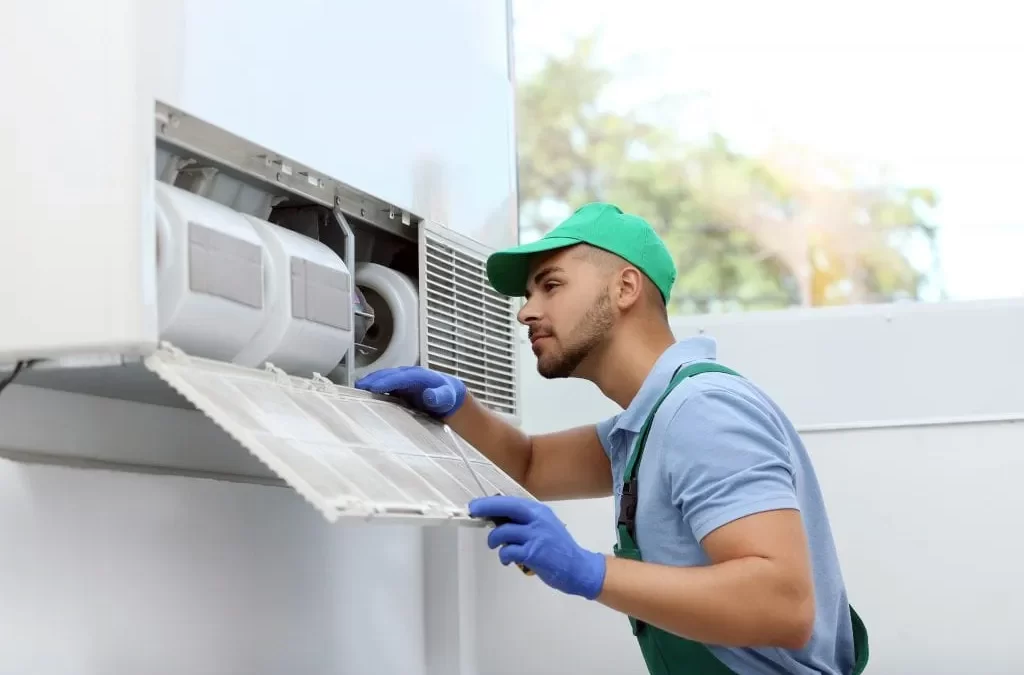
Air conditioning units are crucial for maintaining comfort in Singapore’s hot and humid climate. However, many homeowners face the issue of water dripping or leaking from their aircon units. Water leakage can lead to significant damage if not addressed promptly. This guide explores the reasons behind aircon water leaks, the symptoms to look out for, and how to fix them, whether you choose to handle the problem yourself or seek professional help.
Why Do Air Conditioning Units Leak or Drip Water?
Air conditioners work by cooling the air in your space and removing humidity in the process. As warm, moist air passes through the evaporator coils of the air conditioner, condensation forms, which is then drained away through a pipe into the outside environment. This moisture removal process is vital to the air conditioner’s cooling function. However, when any part of the drainage system malfunctions or becomes clogged, the water that would normally flow out backs up and leaks into the surrounding area. These water leaks may appear as drips or even large pools of water around your unit, often causing damage to floors or furniture if not caught in time.
Common Causes of Water Leaks in Air Conditioning Units
Clogged Drain Line
A clogged drain line is one of the most common causes of water leakage in air conditioners. The drain line is designed to carry excess condensation from the evaporator coils outside the unit. Over time, the drain line can accumulate dirt, algae, mold, or debris, causing it to clog. When this happens, the water has nowhere to go and begins to back up, resulting in water leaking inside the home. Clogged drain lines are a frequent issue, especially in humid climates like Singapore, where the buildup of organic material is accelerated.
Dirty Air Filters
Air filters in air conditioning units serve an essential role in maintaining airflow by trapping dust and debris before it enters the system. However, when these filters become dirty or clogged, they restrict airflow. Restricted airflow can lead to a drop in the temperature of the evaporator coils, causing them to freeze. Once the ice on the coils melts, it can lead to excessive water buildup, which then leaks from the unit. Dirty filters can also exacerbate the freezing issue, making it a recurring problem if not cleaned or replaced regularly.
Low Refrigerant Levels
Refrigerant is a key component in the cooling process of your air conditioner. When refrigerant levels are low, the evaporator coils are not able to absorb heat as efficiently, which can cause them to freeze. Low refrigerant is often a sign of a leak within the system, and it should be addressed immediately by a professional to prevent further damage and to restore your aircon’s efficiency.
Broken or Faulty Pump Mechanism
Some air conditioning units are equipped with a pump that helps to expel condensation water from the unit. When this pump is damaged or broken, it can prevent the water from draining properly, causing it to accumulate inside the air conditioner. A faulty pump is often the culprit when the drain line is clear, yet water still leaks from the unit. This issue is not always visible to the naked eye, so it typically requires a professional to inspect and repair the pump.
Improper Installation or Leveling
Improper installation or leveling of your air conditioning unit can lead to drainage issues and water leakage. For an aircon to work efficiently, it needs to be installed on a level surface so that the water can flow out of the unit’s drainage system naturally. If the aircon is installed unevenly, the water may pool inside the unit, leading to leaks. This issue is especially common in DIY installations or when the unit is moved without checking if it’s properly aligned.
Broken or Damaged Drain Pan
The drain pan is responsible for collecting condensation from the evaporator coils before it flows out of the unit. Over time, the drain pan can become cracked, damaged, or rusted, leading to leaks. A damaged pan will not be able to hold the water, causing it to spill onto the floor. Depending on the extent of the damage, replacing or repairing the drain pan may be necessary to prevent further water leakage.
Frozen Coils
Frozen coils are often caused by several factors, including dirty air filters, restricted airflow, or low refrigerant levels. When the coils freeze, they can no longer absorb heat properly, and when the ice begins to melt, it results in a large amount of water leaking from the unit. This issue is often accompanied by a noticeable drop in cooling efficiency. Frozen coils should be addressed immediately to prevent further damage to the system and avoid additional water leakage.
How to Fix Air Conditioning Water Leaks?
DIY Fixes for Common Aircon Leaks
There are several common aircon leaks that homeowners can address themselves. Cleaning or replacing the air filters is a simple and effective way to prevent airflow restrictions that lead to frozen coils and water leaks. If the drain line is clogged, you can use a wet/dry vacuum to clear the blockage or flush the line with a vinegar solution to remove any built-up debris. For minor cracks or damage in the drain pan, you can apply a sealant as a temporary fix. If the coils are frozen, turning off the unit and allowing the ice to thaw naturally can help. Once thawed, check for underlying issues, such as airflow restrictions or refrigerant leaks. These DIY fixes can resolve minor problems before they escalate into larger, more expensive repairs.
When to Call a Professional
While DIY solutions can fix many minor issues, some aircon leaks require professional help. If you suspect that the refrigerant is low, it’s important to contact a certified technician. Handling refrigerant requires specialized equipment and knowledge, and attempting to recharge it yourself can be dangerous. Similarly, if your aircon pump is broken or malfunctioning, professional repair or replacement may be necessary. If the installation of your air conditioner was improper or you notice the unit is not level, it’s best to call in an expert to realign or reinstall the system correctly. A professional can also inspect and replace the drain pan if it’s damaged beyond a temporary fix. Calling a professional ensures the issue is properly diagnosed and repaired, preventing future leaks and extending the lifespan of your unit.
Preventing Future Water Leaks in Your Air Conditioning Unit
Regular Maintenance Tips to Avoid Leaks
Preventing water leaks in your air conditioning unit is easier than dealing with them after the fact. Regular maintenance is key to ensuring your aircon continues to run smoothly. Cleaning or replacing the air filters every 1-2 months prevents airflow restrictions that can lead to freezing coils. Additionally, having the drain line checked and cleaned regularly helps to avoid clogs that can cause water backup. Scheduling a professional inspection once a year ensures that any underlying issues, such as refrigerant leaks or damage to the pump, are caught early before they become serious problems.
Additional Tips for Energy Efficiency and Longevity
In addition to regular maintenance, there are several steps you can take to increase your aircon’s energy efficiency and prevent water leakage. Using a programmable thermostat can help reduce the load on your air conditioning system by adjusting the temperature when you’re away, preventing overuse that could lead to leaks. Ensuring that your unit is installed on a level surface and that the area around the unit is kept clean and free from debris will also promote proper drainage and airflow. A well-maintained air conditioning unit not only runs more efficiently but also lasts longer, saving you money on energy bills and repairs.
Frequently Asked Questions
Why is my air conditioning unit leaking water, and is it normal?
It’s not normal for your air conditioner to leak water. This could be caused by clogged drain lines, dirty air filters, low refrigerant, or other issues like a broken pump or improper installation. Minor condensation is normal, but constant leakage requires attention.
Can I fix a leaking aircon myself, or do I need a professional?
Minor issues like cleaning filters or unclogging drain lines can be fixed by yourself. However, problems like low refrigerant or broken pumps should be handled by a professional.
How often should I clean my aircon filters to prevent water leaks?
Clean or replace your air filters every 1-2 months to prevent airflow restrictions, which can cause ice buildup and water leaks.
What are the most common causes of aircon water leakage?
Common causes include clogged drain lines, dirty air filters, low refrigerant, faulty pumps, improper installation, and broken drain pans.
When should I call a professional for aircon maintenance?
Call a professional if the issue involves low refrigerant, a damaged pump, or improper installation. Persistent issues that DIY fixes can’t resolve should also be handled by an expert.
How much does it cost to fix a leaking air conditioning unit?
The cost varies. Simple fixes like cleaning filters or clearing the drain line may cost $50-$100 SGD, while more complex issues can range from $150 to $500 SGD.
Can I still use my aircon if it’s leaking water?
It’s best to turn off the unit to prevent further damage until the issue is resolved by a technician.
Conclusion – Keep Your Air Conditioning Unit in Top Condition
Water leaks in air conditioning units are a common problem, but with proper maintenance, they can be avoided or fixed quickly. Regular maintenance tasks such as cleaning air filters, checking the drain line, and scheduling professional inspections are essential for preventing leaks and ensuring your air conditioning unit runs smoothly. While DIY fixes can help resolve minor issues, more complex problems like low refrigerant, damaged pumps, or improper installation require professional expertise.
If you’re dealing with a persistent leak or need expert help, SoCool is here to provide reliable aircon repair and maintenance services. Our skilled technicians can quickly identify the cause of the leak, fix it, and prevent future issues, ensuring your aircon stays in top condition. Don’t wait for the problem to worsen. Contact SoCool today to schedule a comprehensive inspection and keep your air conditioning unit running efficiently.
For more information or to book a service, visit our Aircon Repair Services or schedule a Preventive Service Appointment now.